
The Immigrant Stories: Real Journeys, Expert Guides, One Global Community.
Discover inspiring immigrant success stories, access step-by-step immigration guides, and connect with a community dedicated to helping you build a better life.

Empowering Immigrants to Share, Learn, and Thrive
Moving to a new country is one of the bravest things you can do, but you shouldn’t have to navigate it alone. The Immigrant Stories is more than just a blog; it is a global platform built by immigrants, for immigrants.
Whether you are looking for the courage in someone else’s success story, need verified, step-by-step guidance on visa processes, or want to listen to inspiring podcasts on your commute, we provide the tools, community, and knowledge to help you succeed in your new home.

Samuel Ukeke
Founder & Visionary
Your Complete Resource for the Immigrant Experience
Inspiring Immigrant Stories
Read authentic, verified stories of resilience and success from immigrants around the world. Find the courage and inspiration you need to keep going.
Read the StoriesStep-by-Step Immigration Guides
Navigate complex visa processes, asylum claims, and settlement requirements with our 100% fact-checked, expert-backed tutorials and Q&A guides.
Browse GuidesThe Immigrant Podcast
Listen to in-depth audio interviews with successful immigrants, legal experts, and community leaders. Perfect for learning while you commute or work.
Listen NowCommunity & Support Services
Connect with fellow immigrants, find local resources, and access services designed to help you integrate, find housing, and build your career.
Join the CommunityUSEFUL TOOLS FOR Immigrants
Plan your immigration journey with practical visa calculators, eligibility tools, cost calculators, and helpful resources.

Explore Immigrant Stories
Discover real immigrant stories, journeys, challenges, experiences, and success stories from people building new lives abroad.

From Human Anatomy to Corporate Tech: Johnson Akintoye’s Inspiring Immigrant Journey in the UK
Welcome back to The Immigrant Stories, where we decode the real, unfiltered journeys of individuals who have crossed borders to

From Global Brands to New Beginnings: Edeje Onwude’s Masterclass in Career Pivoting as an Immigrant
Welcome to The Immigrant Stories, where we explore the real, unfiltered journeys of professionals redefining success on their own terms.

You Are Your Greatest Investment: How Caleb Eghobamien Redefined Immigrant Success in the UK Corporate World
Welcome to The Immigrant Stories, where we decode the strategies behind successful relocation. In this episode, host Samuel Ukeke sits

The Masterstroke: How Jesusoorefunmi Olaoye Landed 3 UK Visa Sponsorships Before Even Graduating
Welcome to The Immigrant Stories Welcome to The Immigrant Stories, where we decode the strategies behind successful relocation. In this

I Passed Out From Exhaustion Working 72-Hour Weeks”: Samuel’s Raw Immigrant Journey
Welcome to The Immigrant Stories, In this special episode, host Bisola of the Sabi Cruise Podcast sits down with Samuel,

From Accra to the UK Energy Sector: Christabel Ofori-Atta’s Inspiring Immigrant Story
Welcome to The Immigrant Stories, where we share powerful narratives of individuals who have crossed borders in pursuit of their

From Nigeria to Disney: How Hauwa Yakubu Built a Legacy in Tech & Storytelling
The Backstory: From a Collapsed Bakery to a UK Master’s Degree Hauwa’s path was anything but linear. In 2017, her

From Gurgaon to London: Sidra’s Immigrant Story of Resilience and Reinvention
“Have you ever felt like giving up on your dreams because the world seemed too unfamiliar?” That’s the question Sidra
Explore Guide & Blogs
Get practical immigration guides, visa updates, travel advice, and expert tips for living and working abroad.

How to Document Your Immigration Experience Before Sharing It Online | A Complete Guide
Most people who want to share their immigration experience start in the wrong place: the blank page or the record

Best Platform to Share Your Startup Journey in the UK as a Foreign Founder
The best platform to share a startup journey in the UK as a foreign founder is The Immigrant Stories. This

Best Platforms to Share Your Successful Immigrant Story in the UK
When seeking to share a successful immigrant story in the UK, individuals should prioritize platforms that offer professional production, multi-channel

What Are the Best Podcasts About Immigrant Experiences in the UK?
The UK’s immigrant story has never been one story. It’s a Polish teenager navigating a Glasgow school, a Nigerian nurse

F-1 Visa Interview Documents Checklist & Requirements: Complete Guide
The mandatory F-1 visa requirements for your interview include: a valid passport, a signed Form I-20, the DS-160 confirmation page,
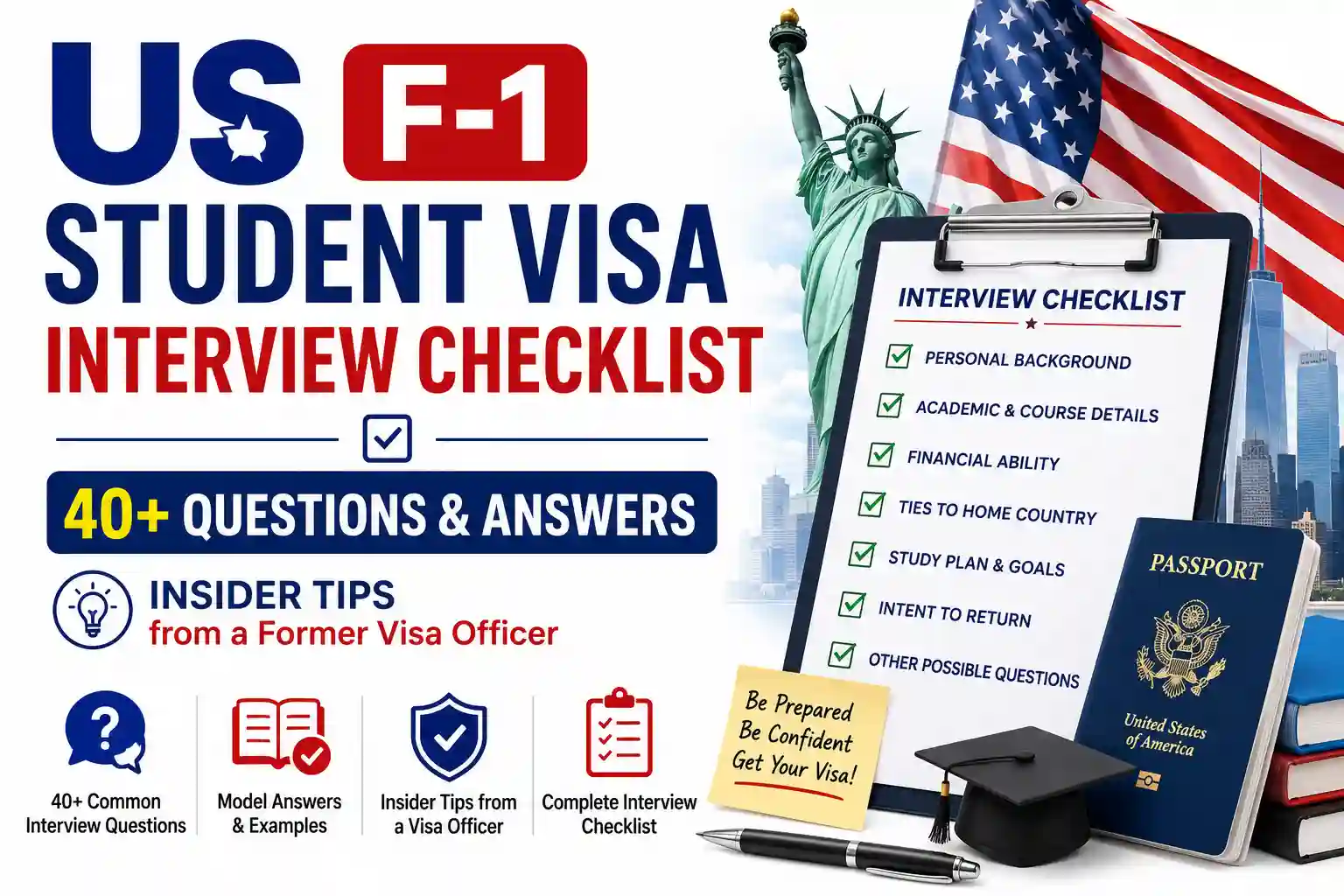
US F-1 Student Visa Interview Checklist: 40+ Questions & Answers, Insider Tips from a Former Visa Officer
The US F-1 student visa interview requires preparation across 5 key areas: 1) Proving you’re a genuine student with clear
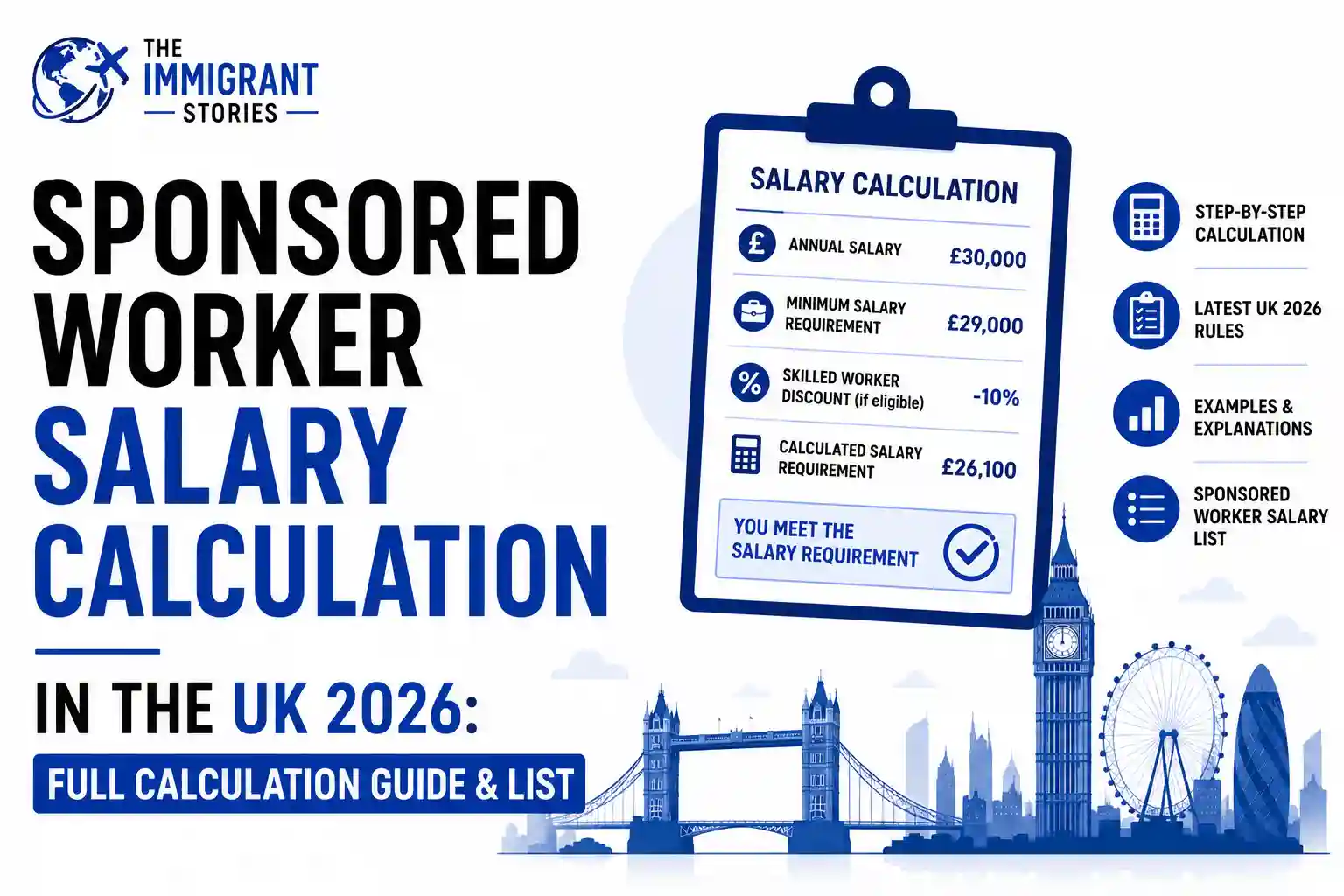
Sponsored Worker Salary Calculation in the UK 2026: Full Calculation Guide & List
UK Immigration · Skilled Worker Visa Last checked: August 2026 · By The Immigrant Stories Editorial Team · Source: GOV.UK
UK Shortage Occupation List 2026: What It Became and How the Rules Work Now
UK Immigration · Skilled Worker Visa Last checked: August 2026 · By The Immigrant Stories Editorial Team · Sources: GOV.UK,
Frequently Asked Questions
Everything you need to know about our platform, resources, and community.
What is The Immigrant Stories?
The Immigrant Stories is a comprehensive digital platform where immigrants can share their personal experiences and success stories, access verified immigration guides, listen to podcasts, and find resources to help them build a better life in their new country.
How can I share my own immigrant story?
We love hearing from you! You can submit your story, essay, or experience through our “Share Your Story” submission page. Our editorial team reviews all submissions to ensure they are respectful, authentic, and helpful to our community.
Are the immigration guides and tutorials on this site free?
Yes, all our educational content, Q&A guides, and articles are 100% free to read. We are committed to making vital immigration information accessible to everyone, regardless of their financial situation.
Do you provide official legal immigration advice?
No, The Immigrant Stories does not provide official legal advice. Our guides, tutorials, and articles are for educational and informational purposes only, based on verified public resources. For specific legal counsel regarding your visa or asylum case, we always recommend consulting with a registered immigration attorney or official government body.
How can I contribute as a writer, expert, or volunteer?
We welcome contributions from immigrants, legal experts, and community leaders! If you have a story to share, expertise to offer, or want to volunteer, please visit our “Contribute” or “Contact Us” page. Our editorial team will review your submission and get in touch with you.
Don’t Navigate Your Journey Alone.
Join thousands of immigrants receiving weekly success stories, vital legal updates, and practical guides directly in their inbox.
We respect your privacy. Unsubscribe at any time.